.png)

Breed Guide
Which dog breed is best for me?
Here are 11 points to consider when trying to decide which dog breed is best for you. With so many dog breeds to choose from, it's easy to feel overwhelmed. As a vet I meet a huge variety of dogs and their owners on a daily basis and have seen first-hand how choosing the *right* breed for your lifestyle and goals is a huge predictor of your success and enjoyment of being a dog owner. So set yourself up for success by carefully considering the following points:
5. Does the dog need to get along with children or other pets?
6. Does your dog need to spend time alone each day?
7. Do you want to do any activities with your dog?
8. Do you have previous dog owning experience or are you a newbie?
1. Amount of training needed
Every dog requires training, but some breeds are more trainable than others. A well-trained dog is a joy to have around. It means more bonding time, better communication, and fewer behavioural issues. However, choosing a breed that requires more training and mental stimulation than you can offer might lead to frustration, miscommunication, and an unfulfilling relationship. All working breeds of dog (working cocker spaniels, border collies, huntaways etc) require a higher level of input so consider carefully if you are prepared to offer this on a daily basis before purchasing one of these breeds.

2. Level of daily exercise
Are you an avid runner or more of a couch potato? Your dog's exercise needs should match your lifestyle. Breeds like Dalmatians, Huskies, and Border Collies thrive with an active owner who can provide them with regular, high-energy workouts. I have long been a believer of the phrase ‘A tired dog is a well-behaved dog’, and some breeds take less exercise to tire than others. Regular exercise reduces anxiety, curbs destructive behaviours, and improves overall health.

3. Grooming required
Do you dream of having a pristine pooch that's always photo-ready, or do you prefer a low-maintenance fur baby? Some breeds require frequent grooming, while others are more wash-and-wear. Poodles, Bichon Frise’s, and Shih Tzus are high-maintenance in the grooming department, while Beagles and Boxers are relatively low-maintenance. Depending on the breed you might need to consider regular trips to the groomers or investing in various brushes or clippers to use at home.

4. Size of dog
Size matters when it comes to choosing the perfect canine companion. Are you looking for a cuddly lap dog or a robust and protective guard dog? Smaller breeds like Chihuahuas, Pugs, and French Bulldogs are ideal for smaller homes, while larger breeds like German Shepherds, Labradors, and Great Danes understandably need more space. Do you need a dog that can be picked up? Fit underneath a café table if you are out for lunch? Fit in your car? These are general questions to consider when thinking what size dog might suit you.

5. Does the dog need to get along with children or other pets?
If you have children or other pets, it's crucial to choose a dog that will mesh well with them. Breeds like Labrador Retrievers, Golden Retrievers, and Beagles are known for their friendly and gentle nature, making them excellent choices for families. Selecting a breed that doesn't have a good temperament with kids or other animals can lead to stress, conflicts, and even potential danger.
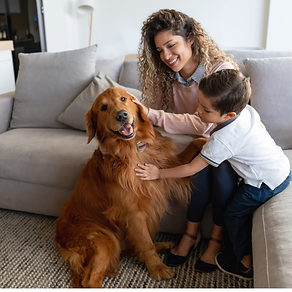
6. Does your dog need to spend time alone each day? If so, how long?
Consider your daily schedule and how much time you can dedicate to your dog. Some breeds are more independent and can handle spending time alone, while others are more prone to separation anxiety. A good general rule of thumb is to not leave a dog alone for longer than 4 hours on a regular basis. Breeds like Basset Hounds, Greyhounds, and Bulldogs tend to be more laid-back and are comfortable being alone for a few hours. Where as Poodles (including poodle crossbreeds), spaniels and Hungarian vizslas can all be more prone to developing separation anxiety. This is definitely a trait where appropriate training can be utilized to lessen the severity of the anxiety but this takes time and dedication from you as the owner, can you commit to this?

7. Do you want your dog to do any activities?
If you're an active individual and want a canine companion to join in on the fun, certain breeds are more suitable for various activities. Consider if you want a dog to do any of the following with you: running/Cani cross, hiking, agility, obedience, camping, swimming, travelling

8. Do you have previous experience owning dogs, or are you a newbie?
Your level of experience as a dog owner can influence which breed is best for you. First-time owners may want to start with breeds that are more forgiving of mistakes and easier to handle, like Labrador Retrievers, Beagles, or Cavalier King Charles Spaniels. The main breed I would avoid as a first-time owner would be any collie type breed. These dogs are incredibly clever and will learn new behaviours before an inexperienced owner realises it has been (unintentionally!) taught. Things such as: barking for attention, chasing lights/shadows, snapping at moving objects, chasing cars, opening doors. A first-time owner selecting a more challenging breed like this will struggle with training and handling, leading to feelings of inadequacy and potential rehoming or euthanasia. This is a situation I have seen time and time again that is entirely preventable by researching your chosen breed and being honest with what you can offer and what you want.

9. Puppy vs. Rescue
Deciding between getting a puppy or adopting a rescue dog is a significant choice. Puppies offer the opportunity to mould their behaviour from a young age, while rescue dogs often come with a unique history and may require extra patience and understanding. Most dogs in rescue centres in the UK are there through no fault of their own and would thrive in a suitable new home. By choosing a rescue dog you would get the help and support of the charity you rescue from and ultimately know you are giving a dog a second chance at life out of kennels. There are many rescue charities out there from the larger ones such as Blue Cross, Dogs trust and RSPCA. Down to smaller local charities and also breed specific charities. I find the smaller local charities can sometimes be more accommodating and flexible when considering potential new homes for their dogs so are worth an enquiry even If you have been rejected by a larger charity.

10. Puppy vs. older Dog
Puppies are undeniably adorable, but they also require more time and a lot more effort during their first year of life. Older dogs, on the other hand, are often more settled and may be a better match for those with busier lifestyles.

11. Finding a Good Breeder
If you decide to get a puppy, finding a reputable breeder is essential. A responsible breeder ensures the health and well-being of the puppies, as well as proper socialization. Look closely for any evidence you could be buying from and unintentionally supporting puppy farming. Many rescue charities have puppies come in to them as well so consider looking at them. Or else find a reputable breeder via the kennel club website. They can be found here UK readers or USA readers

What to do next?
By taking the time to evaluate your needs and the specific characteristics of different breeds, you can ensure a harmonious and joyful relationship with your furry friend. Check out the various different breed guides we have available from the drop down menu above